
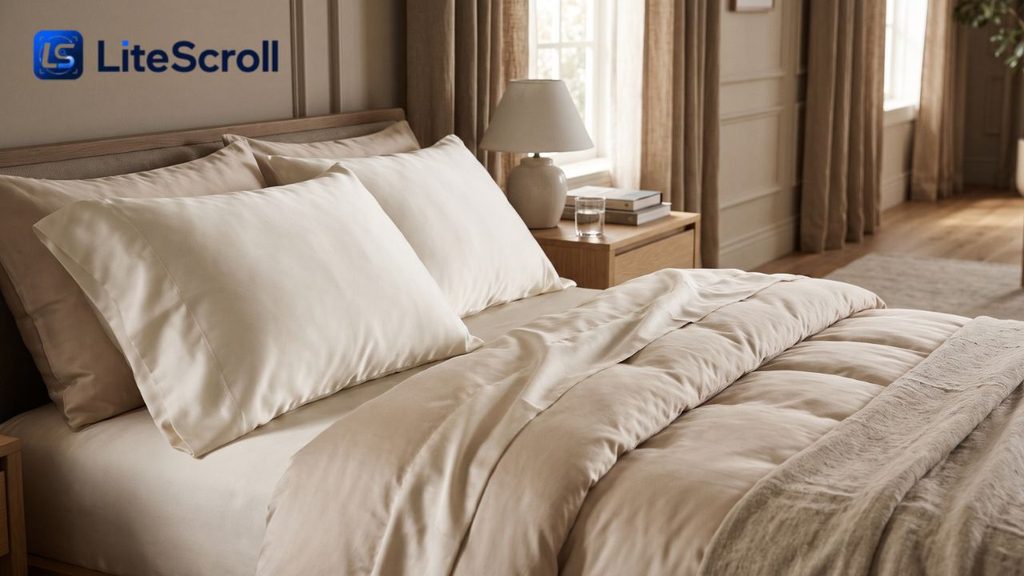
A pillowcase touches your hair and face for hours each night, so its texture deserves more attention than its color. smoother pillowcases can make that contact feel gentler, particularly for people whose hair tangles easily or whose skin feels uncomfortable against rough fabrics. Silk and satin are popular choices, but ordinary cotton sateen may also feel pleasantly smooth. The best option is the one that balances comfort, care requirements, durability, and price.
A slick fabric is not a medical treatment. It cannot reverse hereditary hair loss, cure acne, or stop the biological aging process. What it may do is reduce mechanical rubbing and make the sleep environment more comfortable. This guide examines what is reasonably supported, what remains uncertain, and how to select and maintain a pillowcase without paying for exaggerated promises.
Why the Fabric Surface Matters
Every time you turn your head, hair and facial skin move against bedding. A rougher or more textured weave may create more resistance than a smooth, tightly finished surface. Friction is only one factor in hair breakage or temporary facial creases, but it is a factor that homeowners can change without altering their entire routine.
The appeal of smoother pillowcases is therefore practical rather than magical. A pleasant glide may help reduce tangling for certain hair types and feel less abrasive against the cheek. Results vary with the fabric, the person’s hair, laundering habits, and sleep position. Two pillowcases with the same marketing description may feel quite different after several washes.
Hair Breakage Is Different From Hair Shedding
Breakage occurs when a strand fractures along its length. Shedding occurs when a complete hair leaves its follicle as part of the growth cycle. Less friction may help limit mechanical damage, but bedding does not correct the hormonal, genetic, nutritional, or medical causes of excess shedding. Persistent thinning, bald patches, or scalp symptoms deserve assessment by a qualified clinician.
The American Academy of Dermatology recommends reducing friction during sleep as part of caring for curly or coily hair. Its guidance mentions loose nighttime hairstyles and protective approaches. That makes smoother pillowcases a reasonable accessory to gentle grooming, especially for curls prone to knots, without promising to prevent every split end. American Academy of Dermatology
Silk, Satin, and Cotton Sateen Explained
Real Silk Is a Fiber
Silk is a natural protein fiber. Many silk pillowcases use a satin weave, producing a glossy face and a fluid drape. Labels such as mulberry silk describe the source of the fiber; they do not, by themselves, establish the quality of stitching, fit, or durability. A product should clearly state its fiber content instead of relying on phrases such as “silky feel.”
For shoppers considering smoother pillowcases, genuine silk can provide a cool, luxurious surface with a gentle feel. It generally costs more and may demand delicate laundering. The smoothness is appealing, but some silk products can snag on rough fingernails, zippers, or damaged laundry equipment.
Satin Describes a Weave, Not One Fiber
Satin can be woven from silk or manufactured fibers such as polyester. A polyester satin pillowcase is often considerably less expensive than a comparable genuine silk case. It may also be easier to launder, depending on the manufacturer. However, breathability, moisture handling, and feel can differ among products, so “satin” is not a complete material specification. Sleep Foundation
Budget-friendly smoother pillowcases made from polyester satin may be a sensible first experiment. Check its seams and warmth against your skin. Preferences vary.
Cotton Sateen Can Be a Comfortable Alternative
Cotton sateen uses a weave designed to give cotton a smoother surface than many crisp, plain-weave fabrics. It is not identical to silk or polyester satin, but it may suit sleepers who prefer cotton’s familiar feel and ordinary laundry care. A smooth cotton case can be more practical than delicate silk for households that wash bedding frequently.
Not all smoother pillowcases need to look glossy. Choose fabric by how it feels on your face, how it performs after cleaning, and whether it stays comfortable through the night. Thread count does not guarantee quality.
The Realistic Benefits for Hair
Fewer Snags and Easier Morning Detangling
Curly, coily, processed, and fragile hair can be vulnerable to mechanical damage. A low-friction fabric may allow strands to move across the pillow with less snagging. Some people notice fewer tangles and less frizz on waking, although controlled evidence about long-term outcomes remains limited. Sleeping with a loose, comfortable hairstyle and following appropriate conditioning practices also matters.
People buying smoother pillowcases for hair should focus on reducing friction rather than expecting a change in growth rate. Hair fibers that are already damaged need careful handling, and a pillowcase cannot repair their internal structure. Think of the fabric as one helpful part of a broader hair-care routine.
Protecting Styles Without Tight Tension
A silk or satin bonnet can be useful for containing hair, while a smooth pillowcase may provide a comfortable backup if the covering shifts during the night. Avoid tight elastics and hairstyles that pull at the scalp. The goal is gentle containment, not securing every strand with tension.
When testing smoother pillowcases, observe whether your hair feels less tangled over several mornings. Do not interpret fewer visible strands on the pillow as proof that a medical hair-loss condition has resolved. If breakage or thinning continues, seek individual advice instead of adding increasingly expensive bedding.
What They May and May Not Do for Skin
The surface of a pillowcase can press against the face, particularly for side and stomach sleepers. Smooth fabrics may feel gentler and reduce the temporary impressions left by folds in bedding. Some materials absorb less of the moisture present in skincare products, though that does not guarantee better skin hydration for everyone.
Claims that smoother pillowcases erase wrinkles, boost collagen, or prevent acne are much stronger than the available evidence supports. Sleep Foundation specifically cautions that rigorous clinical evidence for anti-wrinkle claims is lacking and that silk should not be treated as an antimicrobial acne cure. Washing bedding and following an appropriate skincare routine are still important. Sleep Foundation
Consider Skin Sensitivity and Product Residue
People with sensitive skin may appreciate a smooth, clean surface, but irritation can also come from detergent, fragrance, finishing treatments, or an underlying skin condition. Choose a pillowcase you can wash consistently and consider fragrance-free laundry products if your skin reacts to scented formulas. New fabrics should be washed as directed before first use when appropriate.
The value of smoother pillowcases for skin may be comfort rather than measurable improvement in a medical condition. Anyone dealing with persistent acne, eczema, or unexplained irritation should consult a healthcare professional. Bedding changes can support comfort, but they should not delay effective treatment.
Temperature, Breathability, and Sleep Comfort
A fabric that initially feels cool may become less comfortable if it traps heat against the face. Silk often has a pleasing cool touch, while synthetic satin varies in breathability. Cotton sateen may feel more familiar and washable, though individual products differ in thickness and weave. Room conditions also affect comfort.
Before buying smoother pillowcases, consider whether you run hot, sleep with damp hair, or prefer a crisp versus slippery feel. Check return policies where available because feel is personal. A case that bunches or slips off is not ideal.
How to Shop Without Overpaying
Read the Fabric Label and Construction Details
Look for the exact fiber composition, dimensions, closure type, and wash instructions. A hidden zipper may keep the pillow secure but should be well covered so it does not touch skin or catch hair. An envelope closure avoids hardware but may expose the pillow if undersized. Inspect seams and overall workmanship rather than focusing only on decorative packaging.
Higher-priced smoother pillowcases sometimes advertise a silk momme weight, a fabric weight measure. Weight may help compare similar silk constructions, but it does not independently establish softness, authenticity, or product lifespan. Ask for clear specifications and choose a finish that feels pleasant in actual use.
Match the Case to Your Pillow and Budget
Measure your pillow, especially if it has an unusually high loft or specialized shape. Standard, queen, and king labels are helpful but not a substitute for checking dimensions. If you are experimenting with a new fabric, one well-made pillowcase is a more economical starting point than an entire bedding set.
Compare smoother pillowcases by total ownership cost: purchase price, special detergent requirements, drying time, and replacement frequency. A washable satin case may offer better value for one household, while durable, well-cared-for silk may be worth the premium to another. Neither decision requires believing miracle beauty claims.
Washing and Everyday Care
Follow the sewn-in care label first. Some silk pillowcases need gentle hand washing, while others permit a delicate machine cycle in a protective mesh bag. Avoid high heat and harsh treatment that can damage delicate fibers. Polyester satin and cotton sateen may have different care rules, so do not apply one universal setting to every fabric. Sleep Foundation
Even smoother pillowcases collect skin oils, sweat, hair products, and everyday debris. Replace them with a freshly washed case regularly, and more often when visibly soiled or when a clinician recommends it. A luxurious fiber does not make washing unnecessary or turn fabric into a germ-proof surface.
A Simple One-Week Comparison
Try your current clean case for several nights and note tangles, comfort, warmth, and any skin irritation. Then use the new fabric under otherwise similar conditions for a week. The comparison will not prove a medical outcome, but it can reveal whether the texture is more pleasant and easier to manage in your real routine.
Assess smoother pillowcases by detangling, washing ease, fit, and price. Those outcomes matter more than unsupported performance promises.
Using Credible Guidance Instead of Beauty Hype
Sleep Foundation’s discussion of smoother pillowcases explains the potential comfort and reduced-friction advantages of silk while warning that certain skin and anti-aging claims go beyond strong clinical evidence. The article was updated March 16, 2023, so treat it as educational background rather than a newly published clinical study. Its distinction between comfort benefits and unproven claims remains important. Sleep Foundation
When researching smoother pillowcases, pair bedding advice with dermatology guidance if you have fragile curls, persistent breakage, or skin symptoms. An informed choice can be modest: a properly fitting, comfortable fabric that you can keep clean. Bedding does not need to solve every beauty concern to be worth buying.
Frequently Asked Questions
Is silk always better than satin?
Not necessarily. Silk is a fiber, while satin is a weave that can use several fibers. Genuine silk can feel luxurious, but polyester satin may provide a smooth, affordable alternative. Choose based on comfort, construction, care, and budget rather than a blanket ranking.
Can a new pillowcase stop hair loss?
No. Smoother pillowcases may reduce friction-related tangling or breakage, but they do not treat inherited pattern hair loss, hormonal problems, or scalp disease. Persistent shedding, patchy loss, or scalp inflammation deserves professional assessment.
Will this fabric prevent wrinkles or acne?
There is insufficient strong clinical evidence to promise either outcome. A smooth surface may leave fewer temporary sleep creases, but it is not an anti-aging treatment or a substitute for acne care. Keep the pillowcase clean and maintain suitable skincare habits.
Are synthetic satin cases worth trying?
Yes, particularly when affordability and easy laundering are priorities. Check fiber content, breathability, seam quality, and wash instructions. Some people prefer the feel of real silk, so personal comfort should guide the choice.
How often should I wash a pillowcase?
Wash it regularly according to its label and change it sooner if it becomes visibly soiled or coated in hair or skincare products. Individual needs vary with sweating, allergies, and health advice. Silk still requires cleaning despite claims about its surface.
What should I buy for curly or fragile hair?
Consider a well-made silk or satin case that feels smooth and fits securely. The American Academy of Dermatology also recommends gentle detangling and low-tension nighttime styling. Smoother pillowcases work best as part of those habits, not as stand-alone repair products.
Conclusion
The right pillowcase can improve comfort and may help reduce the mechanical rubbing that contributes to knots and frizz. Smoother pillowcases are most useful when selected for realistic benefits, suitable materials, and manageable washing needs. Silk, polyester satin, and cotton sateen each have tradeoffs, and no fabric guarantees clearer skin or new hair growth. Choose the surface you enjoy sleeping on and keep expectations grounded in evidence.