
A successful renovation should solve daily frustrations, improve the way a house functions, and respect the character of the property. For owners considering home remodeling in Santa Ana, that means balancing design goals with construction realities, neighborhood conditions, and city approvals. A beautiful kitchen is worthwhile, but so are safe wiring, reliable plumbing, and an achievable schedule.
Santa Ana includes older bungalows, Spanish-inspired houses, midcentury residences, and newer properties. Each presents different opportunities. Before selecting finishes, identify your priorities, determine what needs professional assessment, and develop a budget that includes more than visible materials. This guide explains how to approach home remodeling in Santa Ana from the first ideas through the final inspection.
Start With the Problems You Actually Want to Solve
It is tempting to begin with photographs of dramatic transformations. A more productive first step is to document what is not working. Perhaps cooking feels cramped, the bathroom lacks storage, or the living room gets too hot in the afternoon. For home remodeling in Santa Ana, clear goals make design meetings more useful and prevent expensive changes halfway through construction.
Walk through each room and separate essential repairs from preferences. Photograph damaged surfaces, note poor lighting, and identify obstacles such as tight doorways. Then write a short project brief describing who uses the space, what must change, and which existing features you want to preserve.
Decide Between a Room Update and a Larger Renovation
A single-room refresh may involve cabinets, finishes, lighting, and fixtures. A whole-house project can involve multiple rooms, structural changes, electrical work, and new mechanical systems. The larger scope creates more coordination demands. When planning home remodeling in Santa Ana, consider whether several small projects would repeatedly open the same walls or disrupt the same household areas.
A combined project may reduce duplicate work, but only if the budget and living arrangements can support it. Do not assume that renovating everything at once always costs less.
Build a Budget Around Scope, Not Wishful Numbers
No single square-foot price accurately describes every house or design. Costs depend on the existing structure, access, materials, labor, permit requirements, and hidden conditions. The useful question is what your specific plan includes. Before requesting quotes for home remodeling in Santa Ana, develop a consistent list of work so competing contractors price comparable tasks.
Separate the budget into design and drawings, demolition, construction labor, required systems work, fixtures and finishes, permits, temporary living arrangements, and a contingency for discoveries. Older buildings may conceal deteriorated plumbing or previous unpermitted alterations. Keeping a reserve protects your decisions when surprises emerge.
Compare the Details Behind Each Estimate
A low total might exclude appliance installation, paint, waste removal, or required inspections. A higher proposal might include better waterproofing or more extensive electrical changes. When evaluating home remodeling in Santa Ana, ask each bidder to explain allowances, exclusions, schedule assumptions, and what happens when the owner changes a selection.
A Short Quote-Comparison Checklist
- Defined demolition and disposal responsibilities
- Specified cabinet, flooring, fixture, and finish allowances
- Plumbing, electrical, ventilation, and structural scope
- Permit preparation, fees, and inspection responsibilities
- Start conditions, estimated milestones, and cleanup
- Written change-order and payment procedures
Understand the City’s Permit Process
A cosmetic refresh and a structural alteration are not treated identically. Painting and similar finish work may be exempt from a building permit, while changes affecting building systems, walls, or use can trigger approval and inspection requirements. For home remodeling in Santa Ana, verify the current requirements with the city’s Building Safety Division before demolition. A contractor’s confident guess is not an official permit determination. Municode Library+1
Santa Ana moved development applications and permit processing to its online Accela Citizen Access system beginning July 1, 2026. The city says the portal supports plans, permits, payments, and inspection scheduling. Ask who will prepare the drawings, submit applications, respond to correction notices, and obtain final sign-off. Do not rely on older instructions that assume paper-only submissions. PublicNow
Respect the Character of Historic Properties
Santa Ana’s historic neighborhoods contain homes with distinctive porches, windows, rooflines, and exterior finishes. If your property is historically designated, exterior work may require a preservation review in addition to ordinary construction approvals. Home remodeling in Santa Ana should begin with a check of the property’s status before replacing original windows, altering a façade, or planning an addition. publicdocs.santa-ana.org
Preserving an attractive original feature does not prevent thoughtful modernization. A renovated bathroom, updated systems, and carefully selected interior finishes can coexist with a recognizable historic exterior. The appropriate review path depends on the property and proposed changes.
Give Kitchens a Functional Plan Before a Style Plan
The best kitchen upgrades respond to how people actually cook and gather. Measure walking paths, door swings, refrigerator clearance, countertop workspace, and the distance between sink and preparation areas. Avoid placing an oversized island where it blocks circulation. During home remodeling in Santa Ana, useful storage and dependable ventilation often deserve priority over dramatic but impractical features.
Choose cabinet layouts before locking in plumbing and electrical locations. Consider accessible drawers, durable surfaces, layered lighting, and outlets positioned for everyday appliances. Any proposed wall removal should be evaluated for structural implications before promises are made about an open floor plan.
Choose Materials for Daily Use
Ask how countertops react to heat and stains, how cabinet finishes hold up to cleaning, and what floor transitions will look like. Samples should be viewed in the room’s natural light. Good home remodeling in Santa Ana involves finishes that suit the household’s habits, not simply the latest online trend.
Treat Bathroom Waterproofing as Essential
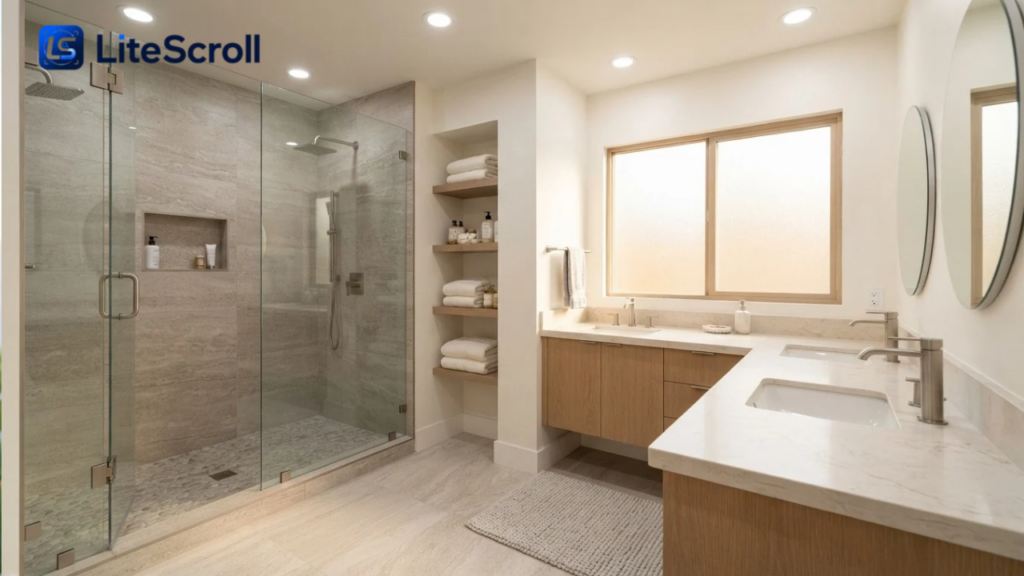
A bathroom can look polished while hiding a poor waterproofing assembly. Shower pans, penetrations, wall transitions, ventilation, and drainage deserve careful attention before decorative tile goes on. When planning home remodeling in Santa Ana, request a clear explanation of the waterproofing system and how the installer will verify its work.
Think about safe floor traction, reachable storage, easy-clean materials, and how doors move around fixtures. If mobility needs may change, consider a layout that can adapt rather than squeezing every inch into oversized fittings. Better planning can improve daily comfort without making unsupported promises about resale value.
Improve Comfort Without Ignoring Building Systems
Southern California sunshine can brighten rooms while increasing unwanted heat. Window placement, shading, insulation, and ventilation interact with cooling equipment. Instead of buying products based only on advertisements, ask which improvements suit the home’s construction and applicable efficiency requirements. For home remodeling in Santa Ana, mechanical and electrical updates should be coordinated with the design rather than added after walls are finished.
Check that new lighting, kitchen appliances, and bathroom ventilation match the available electrical capacity and applicable code requirements. If an older system needs replacement, determine the full scope before installing expensive finishes over it. Efficiency gains and utility savings vary by house and usage; avoid guaranteed percentages without project-specific evidence.
Consider Additions and Accessory Dwelling Units Carefully
An extra bedroom, an expanded living area, or an accessory dwelling unit can create more usable space. However, feasibility depends on lot dimensions, access, setbacks, utilities, structural design, and current state and local rules. Home remodeling in Santa Ana that includes an addition should begin with a site assessment, not an assumed construction footprint drawn over a backyard photo.
A garage conversion also requires investigation of existing construction and the intended use. Ask about fire separation, insulation, plumbing, energy compliance, and permitted access. Even when an ADU qualifies for a streamlined approval pathway, it must still satisfy the applicable standards and inspections.
Select a Contractor With a Verifiable Process
The working relationship matters because remodeling decisions accumulate over weeks or months. Look for clear communication, relevant project experience, written specifications, and a realistic approach to unforeseen conditions. When researching home remodeling in Santa Ana, homeowners can review Primework Construction & Remodeling’s local service page, which describes kitchen and bathroom renovations, whole-home projects, additions, ADUs, and exterior work. Treat it as one provider to evaluate, rather than proof that it is the right fit for every project. Primework Construction
California’s Contractors State License Board provides a public license lookup. Confirm the license status, appropriate classification, and relevant insurance information independently before signing. For home remodeling in Santa Ana, request references for work comparable to yours and ask who will supervise the site, coordinate subcontractors, and communicate decisions.
Put Scope, Payments, and Changes in Writing
California’s CSLB advises detailed home improvement contracts identifying work, materials, timing, payments, permits, and contractor information. Its general down-payment rule is no more than 10% of the contract price or $1,000, whichever is less, subject to a limited qualifying bond exception. For home remodeling in Santa Ana, never agree to vague milestones or unexplained upfront demands; confirm the current legal requirements for the contract involved. CSLB
Document each change in scope and price before the additional work begins. A verbal conversation about switching tile or moving a doorway can quickly produce disagreement when no updated document exists.
Prepare the Household for Construction
Dust, noise, interruptions, and restricted access can be stressful even on a well-managed project. Establish where occupants and pets will stay during disruptive work, how workers will access the home, and which utilities may be temporarily unavailable. A realistic home remodeling in Santa Ana schedule should include ordering lead times, inspection points, and time for correcting any deficiencies.
For houses built before 1978, disturbing painted surfaces can create lead hazards. The Environmental Protection Agency’s Renovation, Repair and Painting Rule generally requires covered paid renovation firms to be certified and follow lead-safe practices. Discuss the age of your home and necessary precautions before any relevant demolition or paint disturbance. US EPA
Inspect Before the Final Payment
Walk through the completed rooms using the written scope. Test fixtures, doors, lights, and installed equipment; inspect finishes in ordinary daylight; and document items requiring correction. Keep permit sign-offs, product manuals, warranties, and final invoices in one folder. Completing home remodeling in Santa Ana should mean closing out the paperwork as carefully as selecting the finishes.
Frequently Asked Questions
Do all kitchen and bathroom projects need permits?
No. Requirements depend on exactly what changes. Simple finish replacement may differ from moving plumbing, altering wiring, or removing walls. For home remodeling in Santa Ana, confirm the scope with the city’s Building Safety Division before starting rather than assuming every renovation follows the same rules.
How can I compare remodeling bids fairly?
Give contractors the same drawings and finish expectations, then compare labor, materials, allowances, permits, exclusions, and schedules. The lowest number does not necessarily cover the same work. A complete written scope makes the comparison far more useful.
Can a historic house receive a modern interior?
Often, yes, although the details and approvals depend on the property. Home remodeling in Santa Ana may involve special preservation considerations for designated historic exteriors, while interior updates still require the applicable building and safety reviews. Verify requirements before replacing character-defining elements.
What should I do if contractors find hidden damage?
Request photographs, a written explanation, an updated scope, and a priced change order before authorizing corrective work. Ask whether the discovery affects safety, permits, or the schedule. An honest assessment is better than covering an unresolved issue with new finishes.
Should I move out during a whole-house project?
It depends on the duration, access to working bathrooms and kitchens, noise, dust, and any safety concerns. Home remodeling in Santa Ana involving extensive demolition or utility shutdowns may make temporary accommodation worthwhile. Discuss the practical schedule with your contractor before deciding.
How do I confirm a contractor is properly licensed?
Use California’s official CSLB lookup to check the business name, license status, classification, and available records. Verify insurance directly where needed, and make sure the contracting entity matches the written agreement. Do this before paying a deposit.
Conclusion
Thoughtful planning is the foundation of a renovation that feels better to live in and remains easier to maintain. For home remodeling in Santa Ana, define the scope, investigate permits and historic-property restrictions, and compare detailed contractor proposals before committing. Prioritize structural integrity, waterproofing, and functioning systems alongside design details. Clear documentation and realistic expectations can turn a complicated project into a more manageable sequence of decisions.