
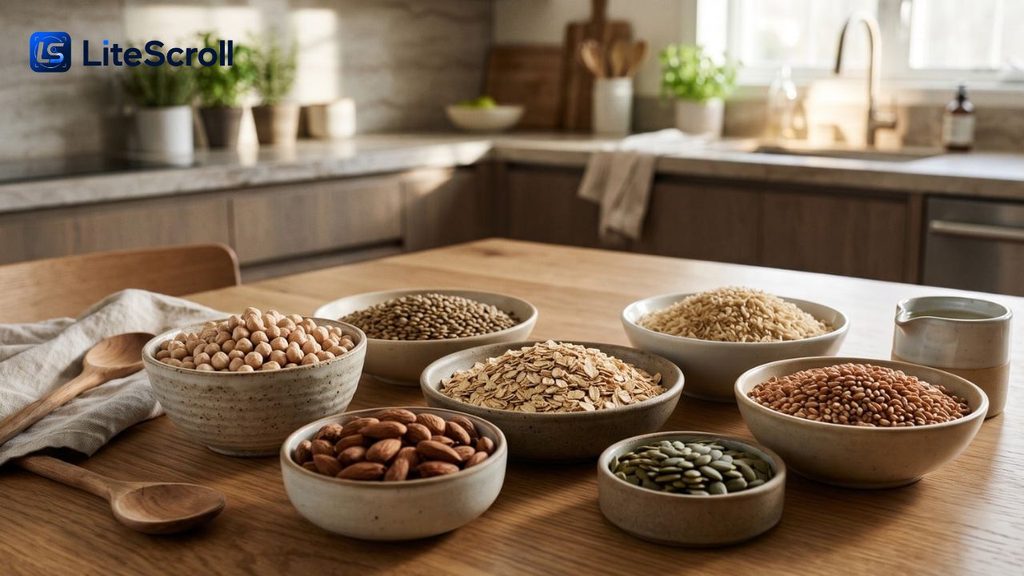
Whole grains, beans, nuts, and seeds provide fiber, protein, and valuable micronutrients. They also contain phytates, natural plant compounds sometimes described online as “antinutrients.” That description captures only part of the story. These compounds can reduce the absorption of certain minerals from a meal, yet researchers are also investigating possible roles in antioxidant activity and mineral-crystal formation. For most people, the practical question is not how to eliminate them completely, but how to maintain a balanced diet.
This guide explains where phytates occur, what human research actually shows, and how soaking, sprouting, fermentation, and sensible meal combinations can affect nutrition. It also identifies situations where professional dietary advice matters more than an internet rule.
What This Natural Compound Does in Plants
Phytic acid, also called inositol hexakisphosphate or IP6, is a principal storage form of phosphorus in many seeds. When bound to minerals, its salts are commonly called phytate. As a seed germinates, enzymes can help release stored phosphorus for growth. That biological purpose explains why foods such as wheat bran, beans, and seeds contain meaningful amounts.
In human nutrition, phytates are important because their chemical structure can bind positively charged minerals. This may form complexes that are less available for absorption during digestion. The interaction is well established, but its practical impact depends on the entire meal, the person’s nutrient status, and the amount and preparation of the foods involved. Frontiers+1
Foods That Naturally Contain Them
Common sources include lentils, chickpeas, kidney beans, soybeans, oats, whole wheat, brown rice, pumpkin seeds, almonds, and other nuts. The concentration varies by plant variety, milling, and processing. Wheat bran, for example, may contain more than refined flour because much of the relevant material occurs in outer grain layers.
There is no reason to classify every food containing phytates as unhealthy. Beans provide fiber and plant protein, nuts offer useful fats, and whole grains contribute nutrients that may be reduced during refining. Discarding these foods solely because they contain a mineral-binding compound can undermine an otherwise nutritious eating pattern.
How Mineral Absorption Can Be Affected
Iron: Focus on the Form and the Meal
Iron from plant foods and fortified cereals is generally nonheme iron. Its absorption changes substantially with accompanying ingredients. Phytic acid can inhibit nonheme iron uptake, while vitamin C can improve it. The National Institutes of Health notes that dietary patterns and other foods influence absorption, and effects from individual meal components may be less important within varied diets. Health Professional Fact Sheet
When phytates are prominent in a meal built around grains and beans, combine those foods with bell peppers, tomatoes, citrus, or another vitamin C source. This does not guarantee a specific absorption percentage, but it is a practical food-first strategy. People with diagnosed iron deficiency need individualized evaluation rather than assuming lemon juice alone will correct the problem.
Zinc: Pay Attention to Overall Dietary Patterns
Zinc is another mineral affected by phytate binding. The NIH Office of Dietary Supplements notes that zinc from vegetarian diets may be less bioavailable because legumes and grains contain mineral-binding compounds. This does not mean vegetarian eating inevitably causes deficiency; total zinc intake, food variety, and preparation methods still matter. Zinc
For individuals relying heavily on unfermented grains and legumes, phytates deserve greater attention when planning zinc-rich meals. Consider a range of sources, including beans, nuts, seeds, dairy or eggs if eaten, and appropriately fortified foods. A registered dietitian can help people with restrictive diets or suspected deficiencies develop a realistic plan.
What About Calcium and Magnesium?
Phytic acid can also interact chemically with calcium and magnesium, although the significance for long-term mineral status varies by diet and context. Absorption measured from one test meal should not be confused with a clinical diagnosis of mineral deficiency. The body regulates nutrients through several processes, and overall intake matters.
The message about phytates should therefore remain proportional: they are one consideration within food preparation, not proof that a person eating oatmeal or almonds is losing essential minerals. Medical conditions, age, medications, and dietary restrictions may make the assessment more complicated.
Why Researchers Are Also Exploring Benefits
The 2023 review linked in this article examined human trials and experimental findings involving phytic acid and related compounds. It discussed potential antioxidant actions, effects on pathological mineral deposits, and preliminary observations in selected clinical settings. However, clinical evidence remains limited and heterogeneous, so promising findings should not be translated into broad treatment claims. Frontiers
Some investigations of phytates involve isolated IP6 or specially formulated compounds rather than ordinary servings of beans or bread. Different doses and delivery methods make direct comparisons difficult. Researchers have, for example, studied a pharmacological compound designed to influence calcification in people with advanced kidney disease. That does not mean eating extra bran treats kidney disease.
Antioxidant Activity and Cellular Research
Laboratory research suggests phytate may interact with metal ions involved in oxidative reactions. That biochemical finding helps explain scientific interest, but laboratory activity is not a demonstrated clinical outcome. Small human studies have examined particular markers in people with metabolic conditions, yet the evidence is insufficient to recommend an IP6 supplement for disease prevention.
The potential upside of phytates is a reason to avoid simplistic fear-based messaging, not a reason to take concentrated supplements. Whole foods deliver a broad mixture of nutrients and naturally occurring substances that cannot be evaluated by isolating one compound in a marketing claim.
Kidney Stones and Other Proposed Uses
Some research explores whether inositol phosphates influence calcium crystal formation. Observational studies and selected trials are interesting, but they do not establish that dietary phytate prevents kidney stones for every person. Stone type, fluid intake, other dietary factors, and individual medical history all influence management.
People who have recurrent stones, chronic kidney disease, or other significant medical conditions should not self-prescribe phytates or IP6 supplements based on early research. A clinician can advise on evidence-based dietary changes and any restrictions that apply to their diagnosis.
Five Food Preparation Strategies Worth Knowing
1. Soak Dried Beans Appropriately
Soaking can change some antinutrient levels and shorten cooking time, although results differ by bean type and conditions. Sort and rinse dried beans, soak according to a trusted recipe, and cook them thoroughly. Do not assume soaking turns raw beans into ready-to-eat food. Certain undercooked beans, notably red kidney beans, can cause illness.
Reducing phytates through soaking is variable because intact grains and legumes differ in their enzyme activity and how readily compounds diffuse into water. Follow food-safety instructions first, then consider mineral bioavailability as one additional benefit rather than the sole purpose of preparation.
2. Use Fermented Grain Foods
Traditional sourdough fermentation can activate phytase enzymes that break down phytic acid under suitable conditions. Fermentation time, flour type, acidity, and microbial activity influence the result. A sourdough label alone does not guarantee a particular reduction, because products and processes differ. DOI
For phytates in bread-centered diets, a properly fermented loaf may offer advantages over some rapidly prepared alternatives in terms of mineral availability. Still, a single loaf cannot define nutritional quality: fiber content, overall ingredients, and the rest of the diet also deserve consideration.
3. Consider Sprouting With Food Safety in Mind
Germination can activate enzymes that release stored compounds as seeds begin growing. Research shows that sprouting may reduce phytate under some conditions, but the effect depends on the species and process. Raw sprouts can also carry foodborne pathogens, particularly concerning for pregnant people, older adults, young children, and immunocompromised individuals. DOI+1
If reducing phytates is your goal, do not trade mineral-absorption concerns for food poisoning risk. Choose safe commercial products, follow official food-safety guidance, and cook sprouts when appropriate. Home sprouting is not necessary for a nutritious diet.
4. Pair Plant Iron With Vitamin C
An affordable meal can combine lentils with tomatoes, beans with bell peppers, or iron-fortified grains with fruit. Vitamin C helps the body absorb nonheme iron and may counter some inhibitors present in plant-rich meals. The amount absorbed still varies with iron status and total meal composition.
Managing phytates does not require removing favorite cultural foods. Small additions to familiar recipes can support dietary variety while preserving the benefits of legumes and whole grains. For diagnosed anemia, seek a medical assessment of the underlying cause rather than relying on menu adjustments alone.
5. Keep Variety Ahead of Extreme Rules
Alternating between legumes, whole grains, vegetables, nuts, fruits, and suitable protein sources can help distribute nutrients across meals. Refined grains may contain less phytate but also less naturally occurring fiber and some nutrients. Choosing white flour solely to avoid one compound is not an automatically healthier tradeoff.
For most healthy adults, phytates are best considered within an overall dietary pattern. The goal is adequate mineral intake and safe preparation, not an unrealistically low daily number. Be skeptical of social posts claiming that every grain must soak for an exact period to become edible.
Who Might Need More Individualized Advice?
People with confirmed iron-deficiency anemia, low zinc status, significant food restrictions, malabsorption disorders, or complex medical conditions may need help assessing mineral intake. Pregnant people and caregivers planning diets for infants or young children should also use age-appropriate professional guidance. The nutritional needs of a rapidly growing child differ from those of a healthy adult.
Because phytates can influence absorption, a clinician or registered dietitian may recommend particular food combinations, fortified products, or medically indicated supplements. That decision should reflect symptoms, diet, testing, and relevant health history. Excessive iron or zinc supplementation can itself cause harm, so avoid treating an online article as a prescription.
Do You Need an IP6 Supplement?
There is no general recommendation that healthy people take isolated IP6 to obtain the benefits suggested by preliminary research. Supplemental forms, doses, potential interactions, and clinical indications require more evidence. A compound studied in a medical trial should not be assumed equivalent to an over-the-counter product bearing a similar name.
The scientific discussion of phytates in a 2023 review of clinical trials describes both proposed health effects and mineral-absorption concerns. It is a valuable research overview, but it does not establish a universal therapeutic dose or replace individualized dietary advice.
Frequently Asked Questions
Are beans and whole grains unhealthy because of this compound?
No. Beans and whole grains provide fiber, protein, and many nutrients. Although phytates can reduce absorption of some minerals from a meal, the overall nutritional value of these foods remains important. Preparation and a varied diet can help address practical concerns.
Does soaking eliminate all of the mineral-binding substance?
Not reliably. Soaking may reduce it to varying degrees, depending on food type, time, temperature, and other conditions. Fermentation and germination can sometimes produce larger changes, but no household method guarantees complete removal.
Should vegetarians worry about getting enough zinc?
Vegetarian and vegan diets can meet nutritional needs when planned thoughtfully. Since phytates may reduce zinc bioavailability, attention to food selection, adequate intake, and preparation is useful. A dietitian can help with restrictive diets or evidence of deficiency.
Can this plant compound prevent cancer or kidney stones?
Preliminary findings have prompted research into several conditions, but they do not demonstrate that eating or supplementing phytate reliably prevents cancer, kidney stones, or another disease. Follow established medical recommendations for individual risk factors.
Is sourdough always better than ordinary bread?
Not necessarily. Traditional fermentation can reduce phytate, but the effect depends on actual preparation and flour. Compare bread products for fiber, ingredients, and dietary suitability rather than treating the name alone as a guarantee.
Is taking an IP6 supplement necessary for good health?
No general evidence-based recommendation supports routine IP6 supplementation for everyone. If you have a mineral deficiency, kidney condition, or other medical concern, discuss diet and supplements with a qualified clinician before making major changes.
Conclusion
Plant foods deserve a more balanced discussion than the simple label “antinutrient” allows. Phytates can affect iron and zinc absorption, yet they coexist with valuable nutrients and have attracted legitimate scientific interest for possible benefits. Soaking, fermentation, appropriate cooking, and varied meals offer practical ways to support nutrition without eliminating whole food groups. For diagnosed deficiencies or medical conditions, individualized guidance matters more than broad claims about a single compound.